PHOTO
Parkes Shire Council is urging residents across the Parkes Shire to be on the lookout for an invasive tree called Honey Locust (Gleditsia triacanthos) that damages native ecosystems and farmland.
It is listed as a regional priority weed in Central West NSW, with efforts focused on eradicating it from our region.
This deciduous tree grows up to 20 metres tall and forms dense stands along waterways, outcompeting native plants and reducing habitat availability.
The impact of the Honey Locust is that it also restricts livestock access to water, and creates hazards posed by sharp spines that can injure animals and humans, damage machinery, and puncture tyres.
It also provides cover for pests such as foxes, cats, and rabbits.
"Early detection and swift action are crucial in managing Honey Locust to preserve our natural ecosystems and agricultural lands," said council's director of infrastructure and sustainability Andrew Francis.
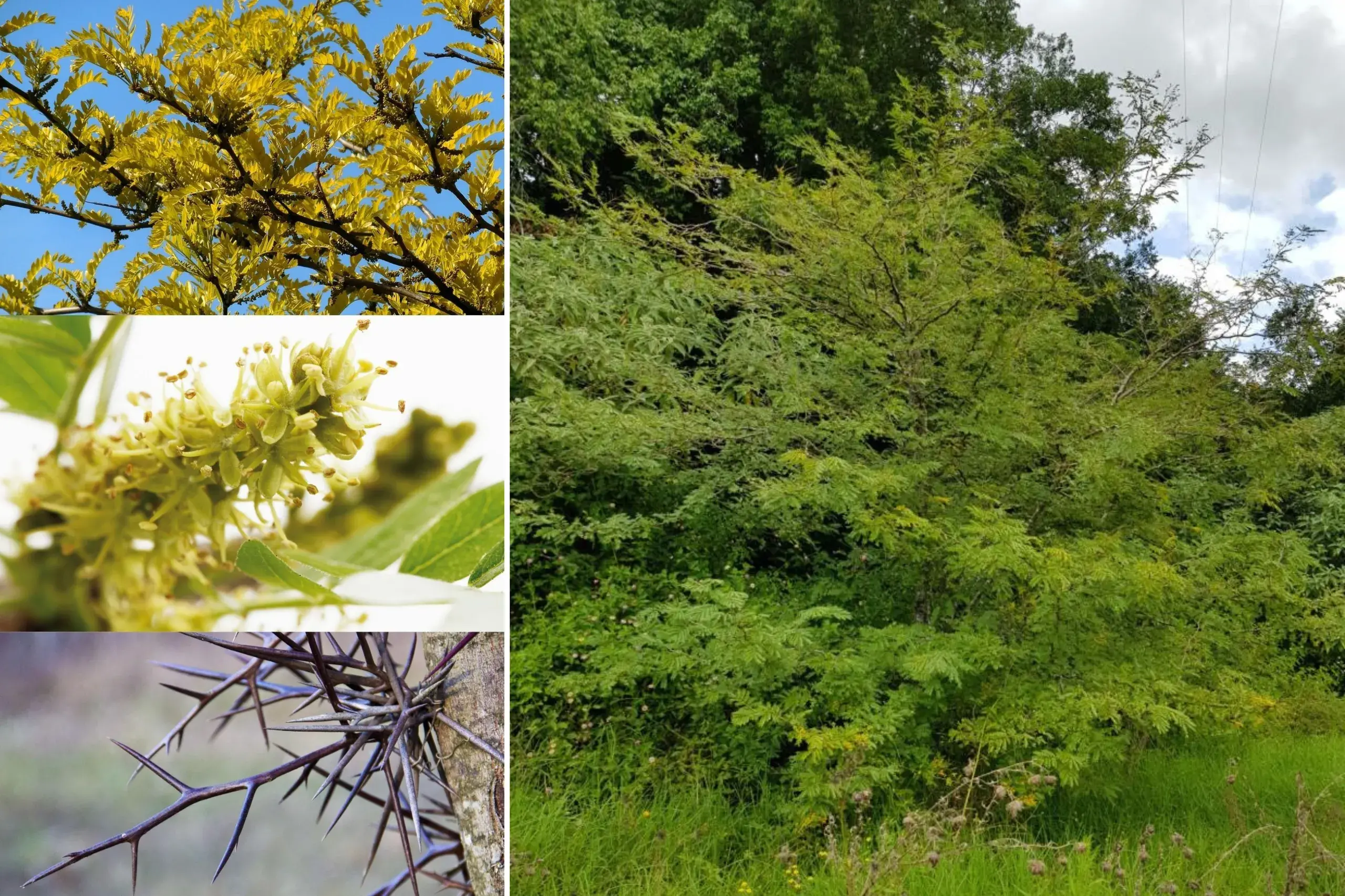
The species can be recognised by its spiny trunk and stems, with spines reaching up to 10 centimetres in length.
It features oval, finely toothed leaflets and clusters of flowers that are creamy yellow or greenish, hanging in drooping clusters.
Its brown seedpods, measuring 15 to 40 centimetres long, each contain up to 25 seeds.
Honey Locusts produce over 10,000 seeds annually, beginning at age 3-5, and the seeds remain viable for up to 20 years.
Seeds spread through water and animal vectors, particularly livestock that ingest the pods and disperse seeds via manure.
"Controlling this species requires a combination of methods, including mechanical removal and targeted herbicide application, to effectively suppress its spread," Mr Francis said.
Effective control strategies also include burning the area followed by the herbicide treatment, spot spraying for seedlings and small trees, and cut stump methods with immediate herbicide application.
Mr Francis is urging landowners and managers to adopt integrated management practices to control this invasive species and protect native ecosystems.
For additional information or assistance, contact Parkes Shire Council at (02) 6861 2333.