
PHOTO
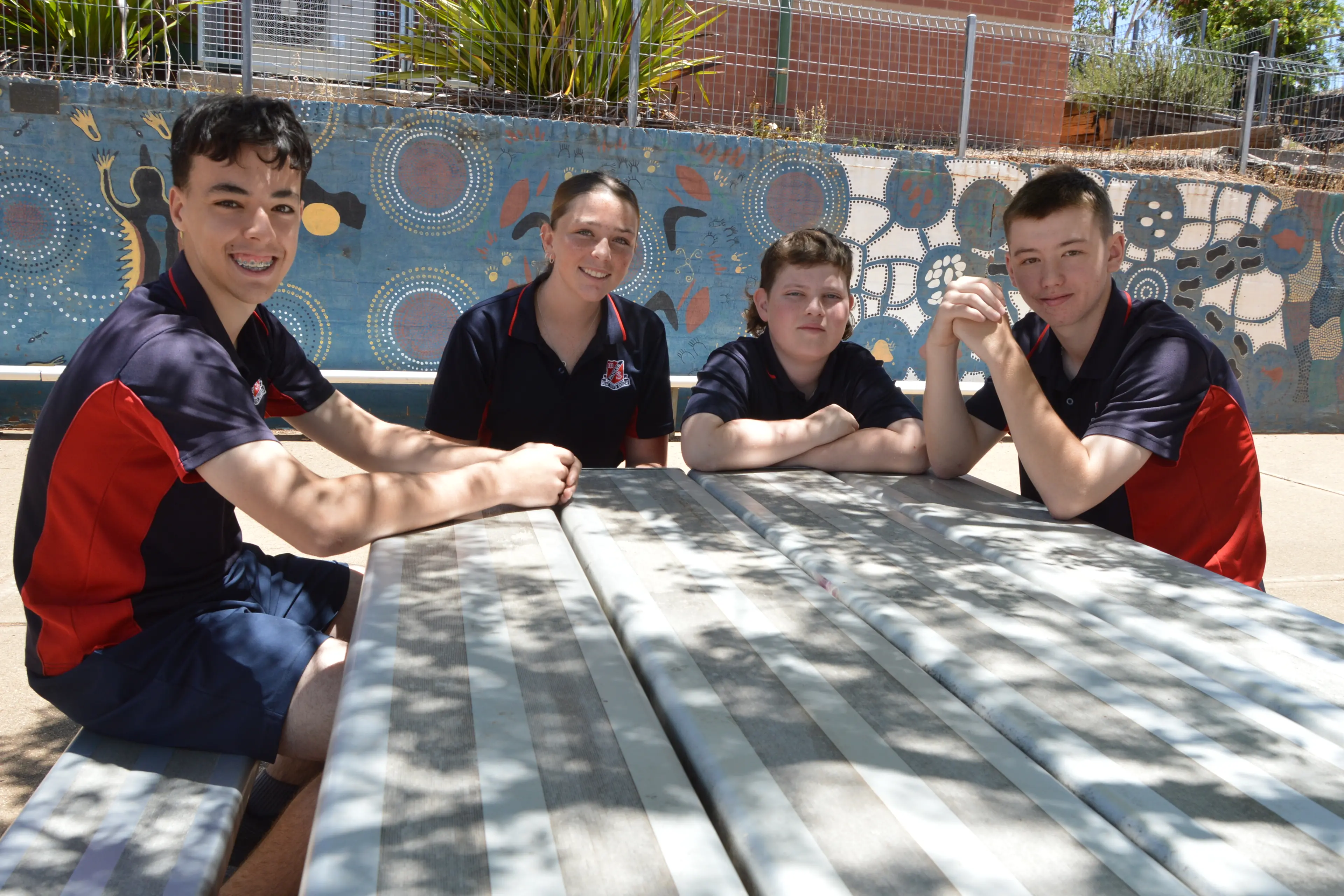
There are just six days to go until the ban on social media for those aged under 16 comes into effect, but four Parkes teenagers say they are not overly worried about it.
They've had more than a year to think about the new law and all say they don't use social media enough for it to impact them too much.
From 10 December Australian children under 16 won’t be able to keep or make accounts on social media apps like TikTok, Instagram, YouTube, Snapchat, X, Facebook and more.
It's a world-first move where platforms considered "age-restricted" will have to take "reasonable steps" to deactivate existing accounts held by under-16s and prevent them from opening new accounts through age verification, and prevent workarounds that may allow young teens to bypass the restrictions.
Parents also will not be able to give consent for their children under 16 to be able to create an account on impacted platforms.
The government is calling it a delay to having a social media account rather than a ban to protect children from being exposed to pressures and risks that can be hard to deal with, especially at a younger age.
"These come from social media platform design features that encourage them to spend more time on screens and make it more likely that they will see negative, upsetting or manipulative content," the government has said in its facts regarding the ban.
It also means there’s more time to teach youth about online risks and the impacts of harms, as well as how to stay safer online and seek help when they need it.
YouTube Kids, Google Classroom, Messenger Kids and WhatsApp are not included in the ban as they have not been deemed to meet the criteria as social media platforms.
And children will still be able to view most content on platforms like YouTube, which do not require an account.
When 15-year-olds Addison Summerhayes, Henry Kross and Max Jones are on social media they're using the apps that are most popular with others their age - Snapchat, TikTok and Instagram - to see what others are doing and creating their own posts.
While 13-year-old Andrew James mainly uses YouTube.
Facebook also comes in handy when Parkes' junior sporting clubs and groups need to communicate to all of their athletes about training, competitions and share other messages.
"We're not really worried," the group said.
"I don't think it will change my life, I don't think it will really effect me," Andrew said.
"It doesn't bother me much, I'm not on social media much," Max said.
"We can't change it so there's no point in worrying about it."
When news first broke of the ban, they admitted they were a little frustrated by the decision and felt misunderstood, and wondered how exactly it will work.
Even for parents and adults there are still many questions around its implementation and what clear methods companies will be using.
Andrew also suggested a trial of the ban or delay might have been better first.
It won't be too altering for Addison and Henry who are just weeks away from turning 16 in January and February but their accounts will still be deactivated in the meantime.
Henry is an elite junior squash athlete and has a Facebook profile specifically to share his progress, training and achievements with his supporters - as do a number of young local athletes.
He said he's considering moving the account under his family's squash business for the next few months.
The government said some platforms could allow under-16s to deactivate their accounts so they can continue using them with all their existing data when they turn 16.
But they're telling young people not to rely on this option.
"It’s best that they download any data they want to save, including connections, posts, chats, photos and videos – before 10 December," the government advised.
The ban or delay is also coming at a challenging time for youth who are just about to finish the school year and head into the summer and Christmas holidays.
But the Parkes teens said they'll likely turn to text messaging and calling their friends, and Andrew said he enjoys playing his video games and can still watch YouTube videos.
And if young teens have been using social media to make new friends, Andrew encourages them to get involved in a sporting club in town.
"If you join a sporting club, everyone knows you then," he said.
Whether country kids or city teens will be the most affected is up for debate.
These Parkes teens think it will be those in the city because they appear to be on their phones more, have more access to technology, travel and sit in traffic a lot and have more people to communicate with.
While a great deal of country kids get involved in a range of sports and within their communities and charity efforts.
But they're also more isolated, have to travel further and have less access to recreational activities than teens in city areas.
It will be business as usual for Parkes High School and other schools.
The eSafety Commissioner is responsible for identifying what platforms will be restricted and supporting communities with information and resources.
Families are encouraged to visit eSafety.gov.au, download its resources and register for a live webinar.
There is information tailored for young people, parents and carers, and educators, and a FAQs section.
The ban is being challenged in the High Court to prevent it from going ahead next week, on the grounds it restricts young teens' implied right to freedom of political communication.
Advocacy group Digital Freedom Project, along with two 15-year-olds challenging the move, announced last Wednesday proceedings had been filed.