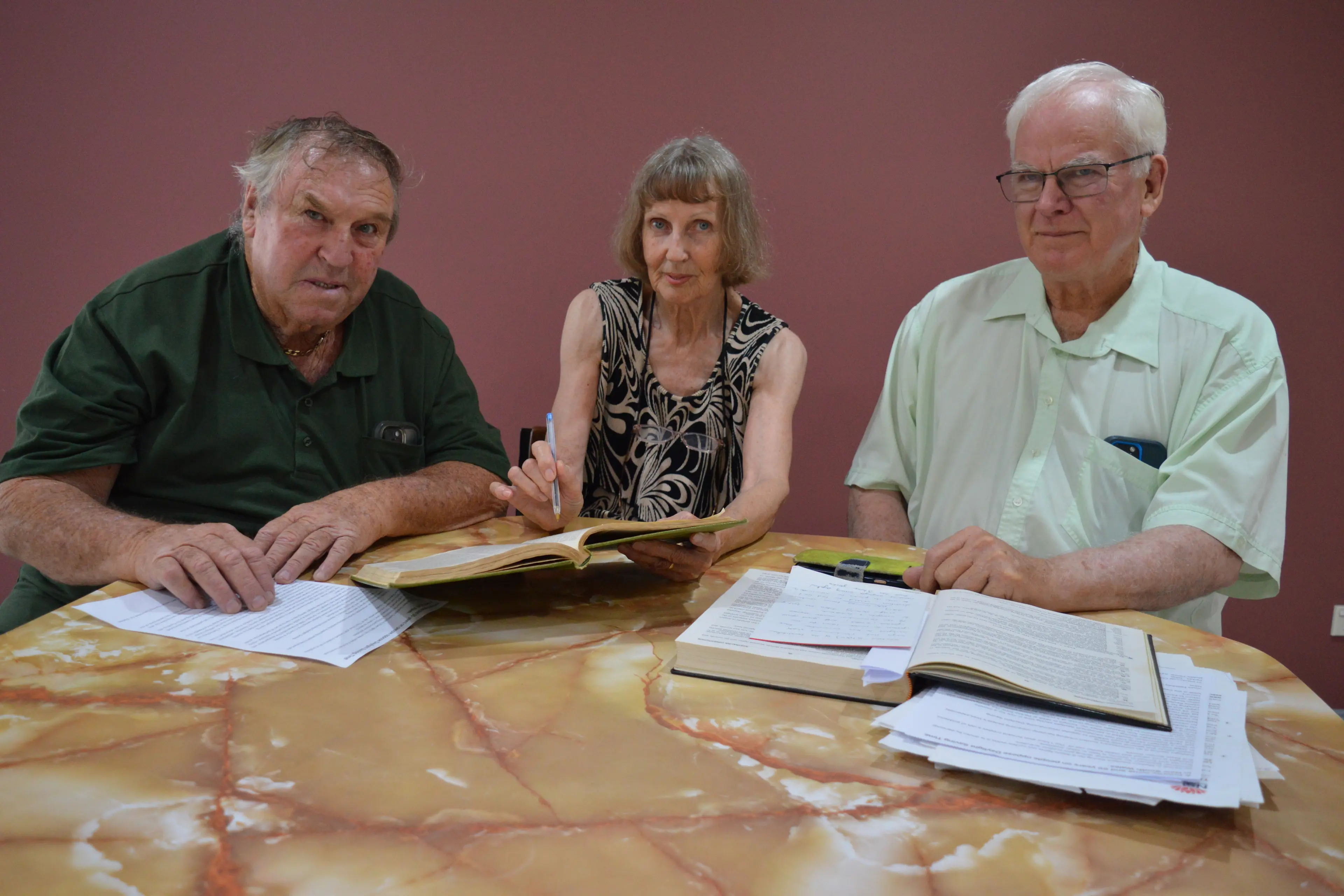
Retired farmer Judy O’Brien believes there is no place for daylight saving time in modern society.

All it does, she said, is disrupt sleeping routines and rest every six months, impact farming operations, and complicates leisure activities instead of enhancing them.

As a member of the Abolish Daylight Saving Committee that’s based in Parkes, Judy has been lobbying government to abolish daylight saving time that can only be done with a referendum, for 24 years now.

The original purpose for daylight saving time in Australia – first introduced nationally in 1916 to save fuel and energy during World War I, and again during Word War II – is outdated, Judy believes.

And its reintroduction in the 70s, and still in place today, she said is driven by personal consumer behaviour for shopping, dining and outdoor activities.

Daylight saving time runs for six months of the year, beginning on the first Sunday in October and ending in April.

“No 8.30pm lights-out curfew exists. We’re not saving energy,” Judy said.

“People will do what they want.

“The one-hour shift forward creates a raft of problems and state border issues.

“It creates hardship, impacting people’s lives, especially health, safety and general well-being.”

Longer days means people, families and children are still outside playing and doing things into the evening.

“Then they still have to get ready for bed, have dinner and they’re going to bed so late,” Judy said.

It also means the hottest time of the day is later, in Parkes that’s not until 4pm-5pm.

Families must deal with 7.30am sunrises too, which are also later in the west compared to the city.

Judy said it complicated daily routines for students and posed safety concerns for those commuting to school in the darker mornings during the transition months.

For our farmers who rely on the natural daylight for their operations, daylight saving time can disrupt sowing and planting, harvesting and livestock management schedules.

Judy’s husband Tim said harvest used to be his biggest concern.

“We’d be harvesting until midnight sometimes, and the silos would shut at 8pm so we had to plan around the silo times,” he said.

“It was still hot later in the day and we often couldn’t get going of a morning because of nature’s dew.”

“We’re not making better use of daylight if you think of the farmers,” Judy added.

Individuals and groups lobbied to oppose reintroducing daylight saving in 1968, before a trial would take place in 1971.

A 1976 referendum resulted in permanent daylight saving time in NSW for four months.

Judy was 14 during the trial and remembers the struggle waking up and going to school in the dark.

“I remember getting up for school when it first came in, it was dark and getting to school and trying to cope with it, it was horrible,” she said.

“By the end of the second year I hated it.”

The Abolish Daylight Saving Committee formed in 1999 in Parkes. The amalgamation with Tamworth/Gunnedah Anti-Daylight Saving Group at a public meeting passed a resolution urging the NSW government to terminate daylight saving time in NSW by an act of parliament.

But Judy said no action was taken.

Instead “acts of parliament” extended daylight saving to six months in 2007, without taking it to the people.

“With the rules of the 1976 referendum broken, the Abolish Daylight Saving Committee campaigned via media to change public opinion and pressure the government to conduct a new referendum to abolish daylight saving time,” Judy said.

“A Basic Fundamental of democracy is citizens must be willing to place the welfare of their country ahead of their own personal interests.

“It falls on deaf ears.

“NSW needs a referendum at the next election… NSW is the catalyst for change.”

The politicians Judy has reached out to over the years, most have been dismissive or she never received a response.

She’s even written to prime ministers John Howard and Malcolm Turnbull who at the time told her the matter was a state issue.

She’s also sent correspondence to Premier Chris Minns and Orange MP Phil Donato, and spoke often on John Laws’ radio show, who Judy said was generous with his airtime.

The debate has in recent weeks resurfaced among some politicians and in the media, just before clocks reverted to Australian Eastern Standard Time on 5 April this month.

Tweed MP Geoff Provest has tabled a new bill to shorten daylight saving time, with the support of fellow MP Richie Williamson for Clarence, both located on the state’s north coast.

The bill would see daylight saving start at the end of October and finish at the end of February, and will be considered by parliament in the first half of this year.

“Dark mornings in March are tough,” Mr Provest said.

“…[The bill] would also make life easier for our communities on the Queensland border.”

But Judy would rather see daylight saving gone entirely.

“If we just have Eastern Standard Time it will be for a better quality of life. I just think it’s better for the country in the end,” she said.

“We’re doing this for the grandkids.

“Just leave the clocks where they are and let people adjust their routines to what they want to do.”

Parkes Shire councillor Ken McGrath, who met with Judy and Tim to discuss the issue, was never really bothered by daylight saving time previously, but said his perception has changed over the years.

“When I was working, I was up and gone before the kids were awake and returned home when they were in bed,” Cr McGrath said.

“I didn’t get to see the kids much in those months.

“If it’s something you have to have, okay, but if it’s something you don’t have to have why have it?”

Judy said a lot of people have told her their perceptions on daylight saving time have changed.

HAVE YOUR SAY

What are your thoughts on daylight saving time? Are you a fan or would you like to see an end to it? You can have your say by sending a letter to the editor by emailing editor Christine Little at clittle@midwestmedia.com.au or by post to 189 Clarinda Street, Parkes NSW 2870.