
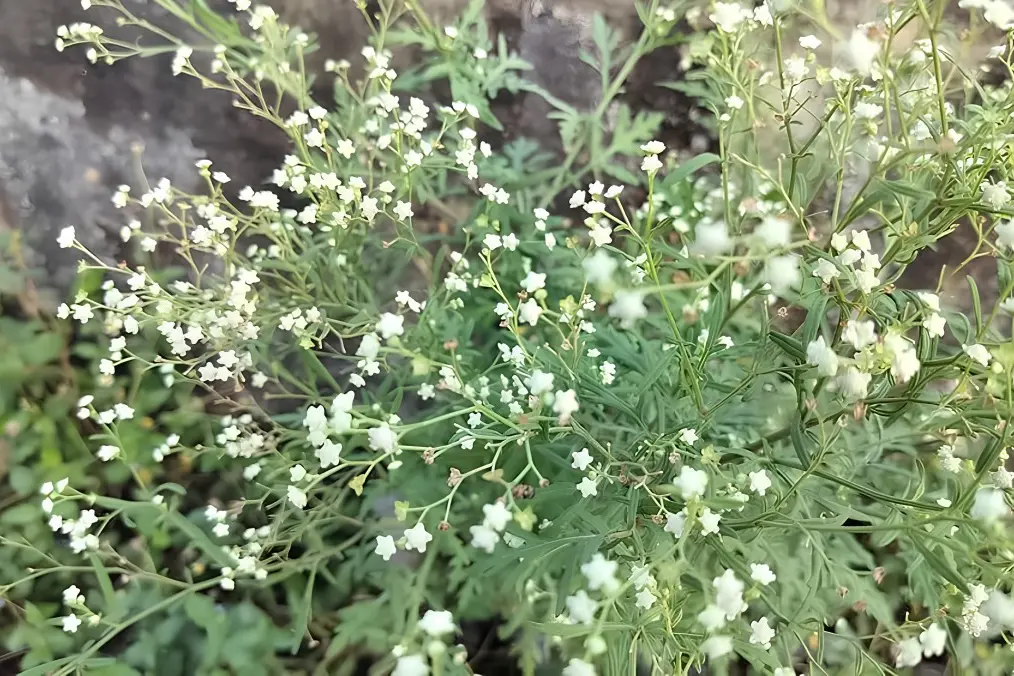
PHOTO
As daylight hours grow longer and temperatures begin to rise, spring brings a burst of growth across our farms, roadsides, parks, and urban gardens.
While many of these fresh green shoots are desirable plants emerging from winter dormancy, spring is also the ideal time to identify and manage new weed infestations before they become established.
Many weed species take advantage of warmer conditions to germinate and grow rapidly in spring.
The mild winter our region has experienced, coupled with some decent rain events, will further increase weed germination this spring.
At the early stage of germination, weeds are often easier to control than later in the season when they have matured, flowered, and produced seed.
Regular inspections of paddocks, fence lines, roadsides, waterways, and gardens can help detect new outbreaks before they spread more widely.
Across Australia, weeds have significant impacts on agriculture by competing with crops and pastures for water, nutrients, sunlight, and space.
This competition can reduce productivity, increase management costs, and affect the profitability of farming enterprises.
The impacts of weeds are also felt in our natural environments as invasive plants can outcompete native vegetation, alter habitats, and reduce biodiversity.
By reducing the health and resilience of natural ecosystems, weeds can have long-term consequences for both native flora and fauna.
In NSW, the management of certain high-risk weeds is supported through biosecurity legislation.
Some species are classified as priority weeds due to the threat they pose to agriculture, the environment, community amenity, or human health.
Under the NSW biosecurity framework, landholders have a responsibility to manage biosecurity risks on their land, including weeds.
Local councils play an important role in this system.
Councils are directed by the NSW Government to control priority weeds on council-managed (public) land and to help prevent their spread.
Councils also provide advice, education, and assistance to landholders and residents, helping the community identify priority weeds and understand appropriate management options.
Both Parkes and Forbes shire councils have dedicated biosecurity officers who are more than happy to assist local residents and landholders identify suspected priority weeds on their property, and provide advice as to their management and the best control options available.
This spring, take a closer look around your property or garden, especially if over winter you brought in new feed, soil, or other supplies and machinery that could have carried weed seeds or fragments.
Monitor these areas, and get in touch with your local council and ask to speak with the biosecurity team if you notice any new or strange plants.
Early detection remains one of the most effective tools in weed management. By recognising and addressing weed infestations early, landholders and communities can help protect agricultural productivity, support healthy ecosystems, and reduce the long-term costs of weed control.