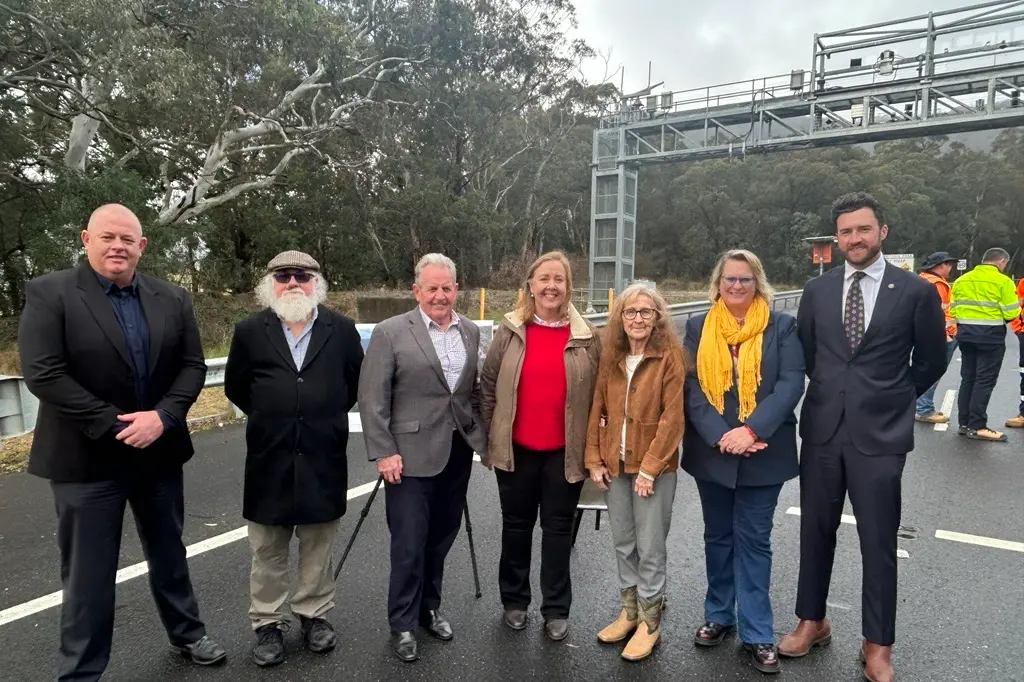
A group of central NSW councils have welcomed news that work to get the Great Western Highway open again is beginning this month, but have emphasised the need for a vision to strengthen the Sydney to Central West connection.

While the investment will improve safety and reliability in the short term, Central NSW Joint Organisation says further planning and commitment are needed to address the fundamental connectivity challenges that have constrained the region for decades.

Cr Kevin Beatty, Mayor of Cabonne and chair of the joint organisation, said the announcement is an encouraging sign of progress on a critical transport link.

“This investment is a step in the right direction and demonstrates recognition of the importance of the Great Western Highway,” Cr Beatty said.

“However, it is part of a much bigger picture. Our region needs a long-term, strategic approach to ensure Central NSW remains reliably connected to Sydney in all conditions.

“The Blue Mountains continue to represent the most significant bottleneck between Central NSW and the state’s largest economic centre.”

Oberon Council Mayor, Cr Andrew McKibbin, said it was encouraging to see the new crossing designed with the future in mind.

“The new crossing has been designed to meet the region’s future needs, with the capacity to accommodate an additional lane - something that was never possible with the existing roadway,” Cr McKibbin said.

“It is essential that, alongside construction of the bridge, the NSW Government progresses all necessary environmental, heritage and planning approvals for this additional lane.

“By doing this work early, the future expansion can be delivered as soon as possible after the bridge is completed, while minimising disruption to east–west traffic on this critical corridor.”

The Great Western Highway is a nationally significant freight, tourism and economic corridor, supporting agricultural exports, manufacturing, mining, essential services and regional communities.

CNSWJO is calling on both the NSW and Australian Governments to continue working together on a long-term strategy that addresses constraints across the Blue Mountains and delivers a future-ready transport corridor, noting that without a comprehensive plan the region will continue to face economic impacts from disruptions, including unreliable freight movements, reduced tourism activity and lost productivity.

“Every time the corridor is closed or significantly delayed, the effects are felt right across our regional economy,” Cr Beatty said.

“That’s why it’s important we keep building on this momentum and work toward a solution that delivers lasting reliability and resilience.

“Victoria Pass is an important part of the network, but it is only one section."

CNSWJO also welcomed the NSW Government’s expanded business support package, recognising the significant impact that the ongoing closure at Victoria Pass has had on local businesses and communities.

The additional $20 million funding package, including increased grant amounts of up to $25,000 for the most affected communities and expanded eligibility across Lithgow, Oberon and Blackheath, will provide important relief to small businesses experiencing financial hardship.

The Federal Member for Calare, Andrew Gee, has also called for more.

He said the planned works - which should see the highway reopen in the second quarter of 2027 - will only install one lane each way over the original convict-built bridge.

"We aren't getting better access than we had before - they could and should be doing more," he said.

"They're talking about installing a third lane at some point in the future but there's no date and certainly no funding for it."

He's also again criticised the government's offer of one-off grants to affected businesses, calling instead for JobKeeper-like support for them.

"Why aren't they telling us how much it's costing?" he added.

"They're silent on the project cost - it's taxpayer money."