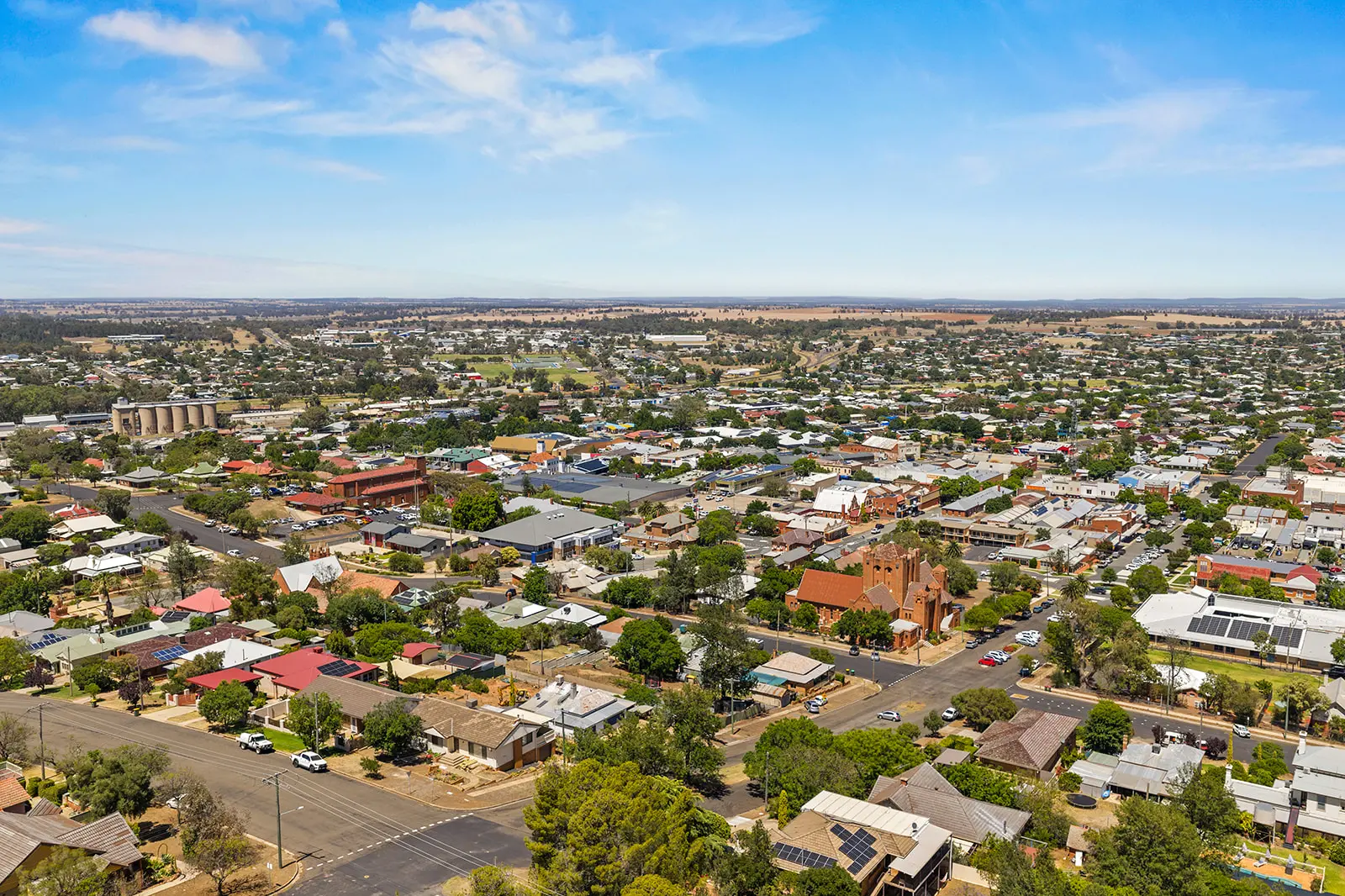
Parkes’ housing market remains underpinned by strong demand and ongoing infrastructure-driven investment, but proposed changes to capital gains tax and negative gearing could discourage new investors and tighten rental availability.

Housing affordability and investment have become central issues in the Federal Budget debate, with growing concern that tax reforms could reduce property investment and limit housing supply in regional areas such as Parkes.

At the same time, regional housing markets continue to face pressure from low rental vacancy rates, steady population growth, and strong employment-linked demand, all of which are supporting prices and keeping rentals in short supply.

In Parkes, ongoing infrastructure and industry activity has helped sustain confidence in the local property market, with demand coming from both owner occupiers and investors attracted by lower entry prices compared with metropolitan areas.

Population growth across inland NSW has remained modest but steady in recent years, supported by regional employment hubs, improved transport links, and continued movement of families seeking more affordable housing outside major cities.

Parkes has benefited from this broader trend, particularly as infrastructure projects and local industry activity continue to support jobs and housing demand.

However, concerns are growing that proposed tax reforms could weaken investor participation in the housing market at a time when supply is already tight.

CPA Australia has warned that changes to negative gearing and capital gains tax concessions would increase the effective tax burden on investors, particularly “mum-and-dad investors,” and could result in the government taking “at least 30 per cent” of returns in some cases.

The organisation argues this would create a disincentive to invest, reducing appetite for property and potentially impacting housing supply, affordability, and broader economic confidence.

It also warns that housing policy is closely tied to intergenerational equity, with younger Australians increasingly limited to “earning a salary, buying a home if they can, and relying on super for retirement,” as opportunities to build wealth through property become harder.

CPA Australia says the impact of these policy settings extends beyond housing, influencing wider investment decisions and where Australians choose to place their money.

In Parkes, a regional real estate director said the local market remained relatively strong, supported by infrastructure growth and consistent buyer interest.

Chris Ryan, director of Flemings property services, said Parkes stood-out compared with many other regional areas because of its ongoing economic activity and development pipeline.

“Parkes is a very strong investment market because of… a lot of employment there, a lot of jobs,” he said.

Mr Ryan said while investor activity across regional towns was generally steady, Parkes had additional resilience due to infrastructure and industry investment that continued to attract buyers.

He said the town’s lower property prices compared with capital cities made it appealing for investors looking for stronger rental returns and lower entry costs.

However, he warned that proposed tax reforms could still discourage some new investors from entering the market.

He said this would likely reduce rental availability over time and place upward pressure on rents.

“It’ll tighten, so availability will be less, and affordability, I imagine, will be higher,” he said.

Despite this, Mr Ryan said Parkes was in a stronger position than many regional towns because of its economic base.

He said infrastructure and industry investment meant Parkes could continue attracting investors even if broader policy changes reduced demand elsewhere.

“I think Parkes is a bit of an anomaly,” he said.

“Because there’s so much infrastructure and investment there, I think it will continue to attract investment.”

Mr Ryan said some investors from major cities such as Sydney, Melbourne and Brisbane could also shift their attention to regional markets like Parkes if property costs and tax settings made metropolitan investment less attractive.

“You might find investors looking to leave Sydney or Melbourne… and then Parkes becomes an attractive option,” he said.

Across regional Australia, investors continue to be drawn to towns with lower entry prices, steady rental demand and employment opportunities, particularly in areas where vacancy rates are extremely low.

In many inland NSW communities, rental vacancy is estimated around 1 per cent, contributing to rising rents and limited housing availability for tenants.

Mr Ryan said negative gearing changes were expected to have less impact in regional areas like Parkes compared with major cities, where investors often rely more heavily on tax-driven strategies and speculative capital growth.

In contrast, regional investors typically focus on steady rental income and long-term growth, meaning they may be less sensitive to some policy changes.

However, he said capital gains tax reforms were likely to have a broader impact, affecting not just property investment but other asset classes as well.

He said this could reduce overall investor appetite and make financial risk-taking less attractive across the board.

CPA Australia has echoed these concerns, warning that reducing incentives for investment could flow through to housing supply and affordability at a time when demand continues to grow.

For Parkes, the outlook remains balanced between strong local demand and uncertainty around future investment conditions.